Focus points
for your old horse
Learn what to look out for


Digestive system
Check your horse’s manure structure
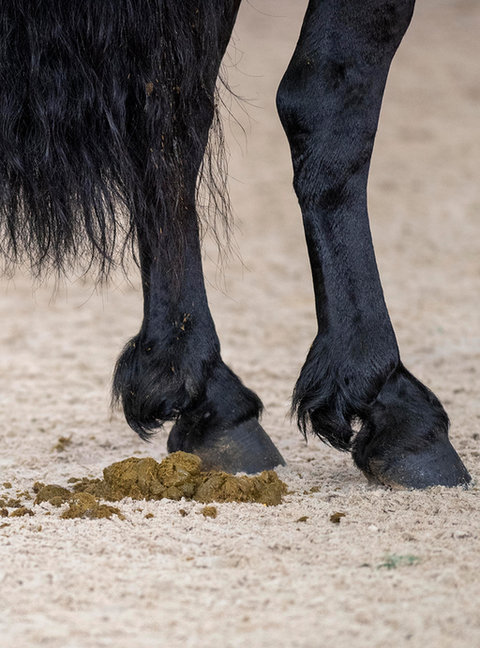
The digestive system of older horses works less efficient. Movement of feed through the intestines may slow down, and the ability to absorb nutrients for the feed decreases. Older horses’ energy needs are therefore higher, as they digest food less effectively and absorb the nutrients offered less efficiently.
Older horses are more susceptible to digestive disturbances such as colic and constipation compared to other horses. Subtle signs of an imbalanced microflora, such as manure water or softer stools are also common in old horses. Another challenge for the old horse is sudden dietary changes. So if you decide to switch to a different roughage or feed, make sure you initially mix it with the old feed for about seven to ten days In this way, the microflora in the hindgut can get used to the new feed.
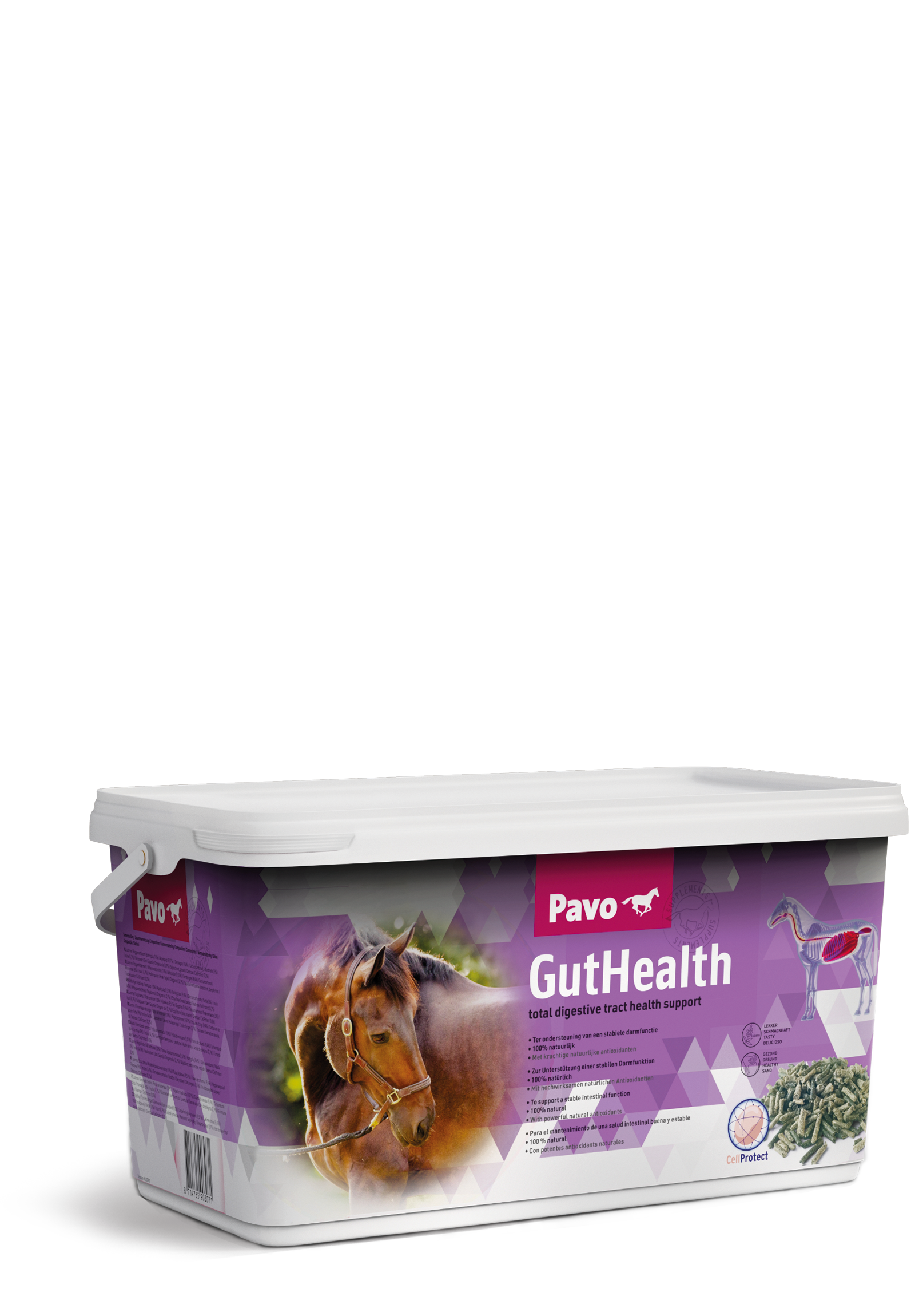
As mentioned in the previous paragraph, good dental function is essential for a healthy digestion. Poor chewing can lead to problems such as manure water, loose stools, colic, diarrhoea or obstruction. Pavo GutHealth has been specially developed to support your horse’s digestion by restoring balance to the gut microflora and can be used for senior horses that struggle with digestive sensitivities. The 18Plus Sensitive could also be considered to support your senior and it’s gut health. This complete feed is designed to meet the specific nutritional needs of older (sensitive) horses, but also supplies additional support for digestion when fed at the full recommended amount.
back the balance in the population of bacteria.
Coat shedding
Shedding costs your old horse a lot of energy
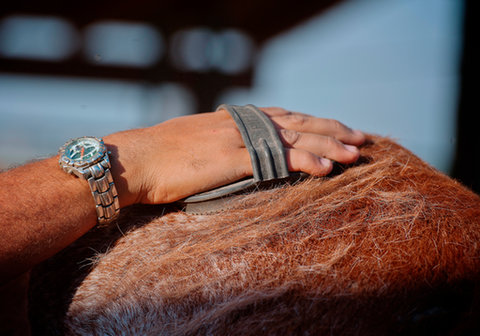
The shedding period will always take a great deal of energy out of your horse. This is even more demanding for older horses, especially when the time comes for them to lose their winter coat. Fortunately you can help your horse get through this challenging shedding period with the right care and nutrition.
There are various different factors which can influence the shedding process. You can give your horse a helping hand with these five handy tips.
Tip 1: some good old brushin
Regular brushing and massaging your horse’s skin will stimulate blood circulation and will help the coat to shed more easily. Plus your horse will love it too, as he’ll often be a lot more itchy during the shedding period. You can achieve a great deal with a rubber horse brush, but your brush will be filling up very quickly if your horse is shedding heavily. You can also use special ‘foam blocks’ and rubber gloves to easily remove loose hair.
Tip 2: keep moving
Exercise is also an important factor during the shedding process, as it improves blood circulation and overall metabolism. Even light activity can already make a big difference. Why don’t you, for example, enjoy a nice walk with your horse.
Tip 3: extra protein
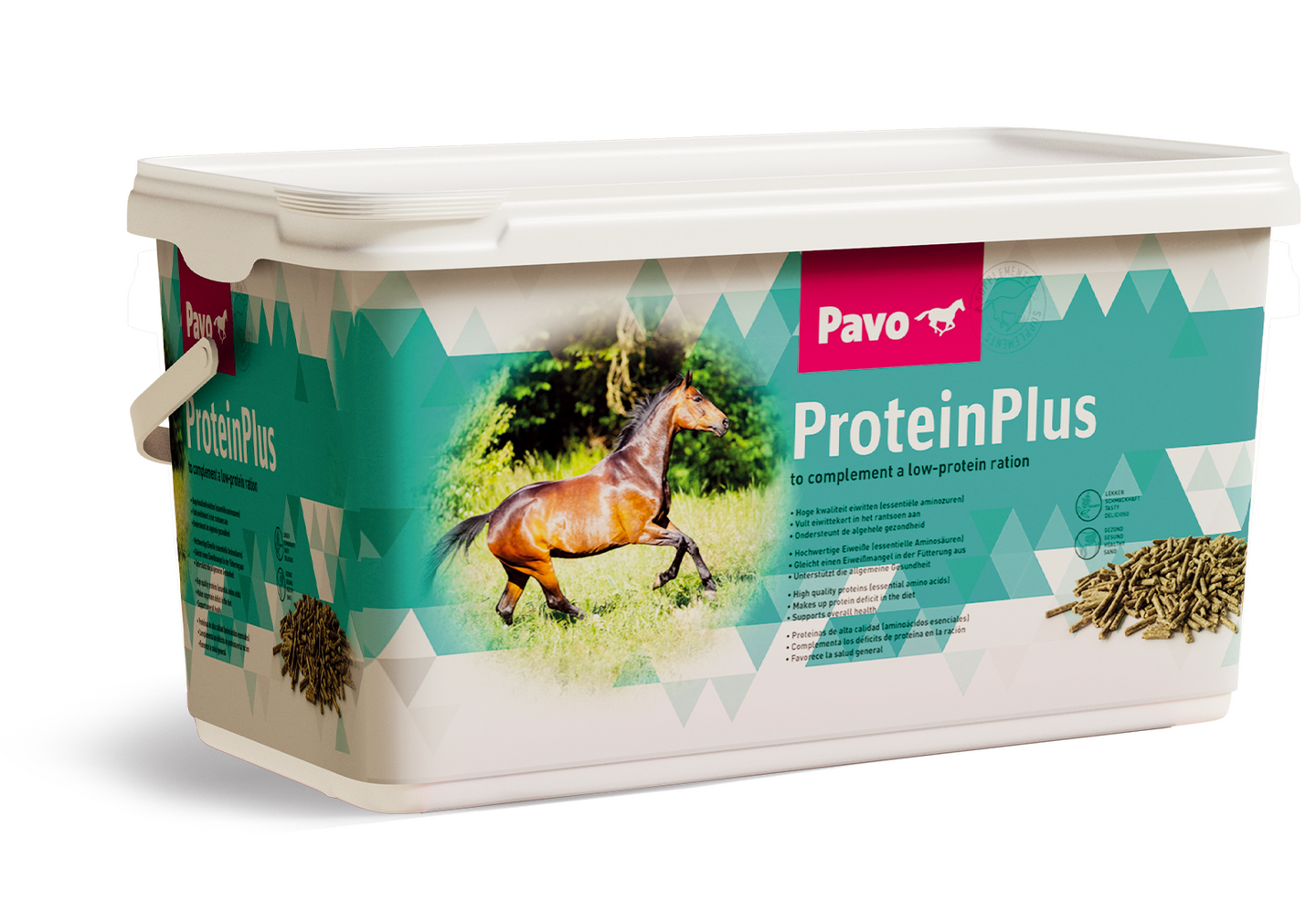
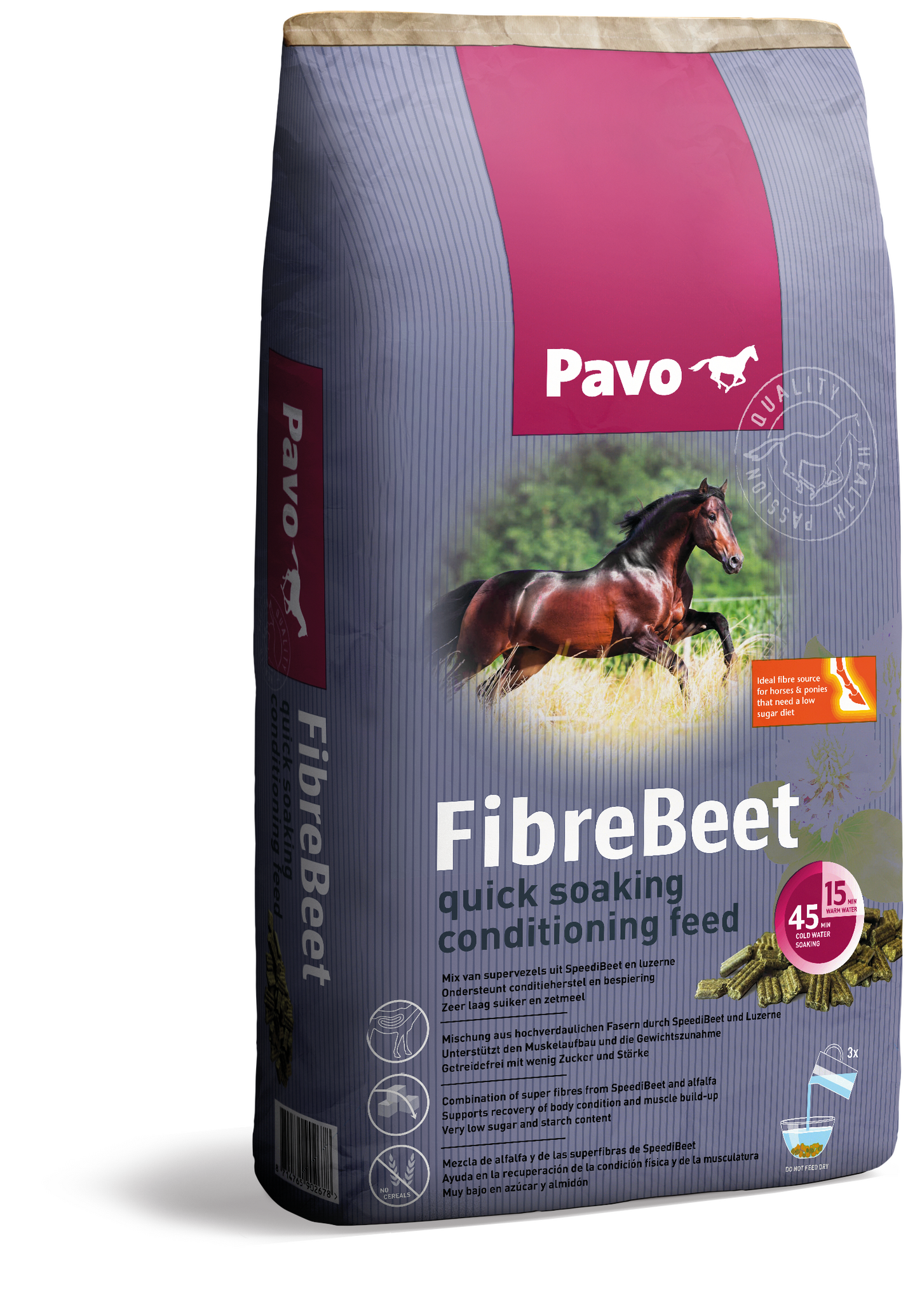
Your older horse will already have a greater need for protein, but even more so during the shedding period. That’s because protein is an important building block for the renewal of skin and hair and therefore plays an important role during shedding. The supplement Pavo ProteinPlus can help you horse. Also Pavo FibreBeet can help during this process, because of the high quality proteins which are processed from alfalfa and soy.
Tip 4: plenty of daylight
Daylight is the natural trigger for the shedding process. It’s therefore always a good idea to regularly put your horse out to pasture or the paddock. Outdoor time helps to regulate their internal rhythm and therefore it can contribute to a smoother coat change.
Tip 5: extra vitamins
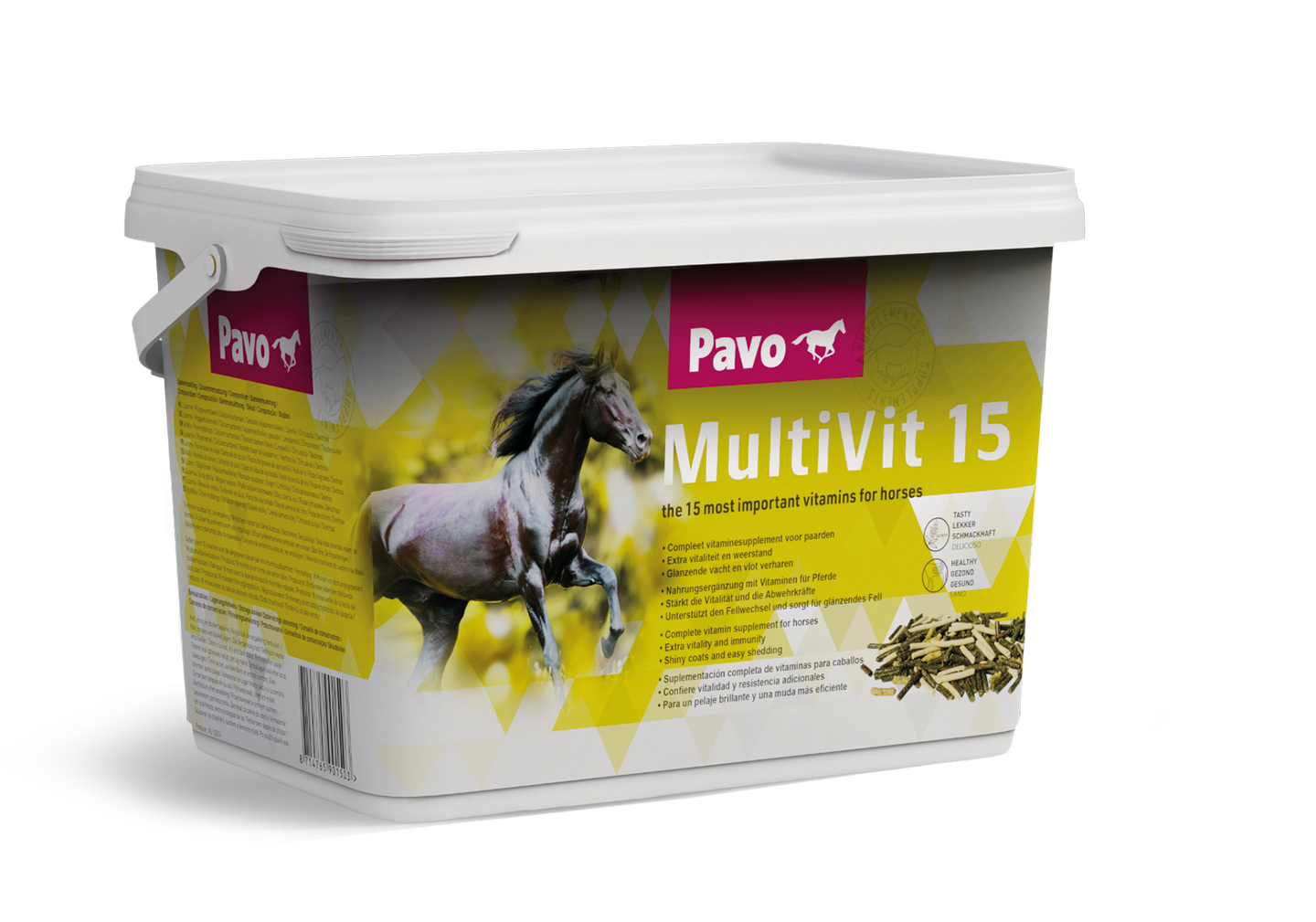
You can give your old horse a boost if he is having trouble shedding, by giving the horse a vitamin boost. For example with Pavo MultiVit contains an extensive spectrum of vitamins, antioxidants and prebiotics and is therefore a real ‘boost’ for your horse. This can give your horse just that little bit extra to guide him through the shedding process.
Tip 6: add Omega3
A dull coat or difficult shedding can be a sign of an omega 3 deficiency. Omega 3 is an important nutrient for improving the coat. As a horse cannot make omega 3 fatty acids itself, this must be provided through feed. You can give your for example horse Pavo AhiFlower Oil or Pavo Linseedoil.
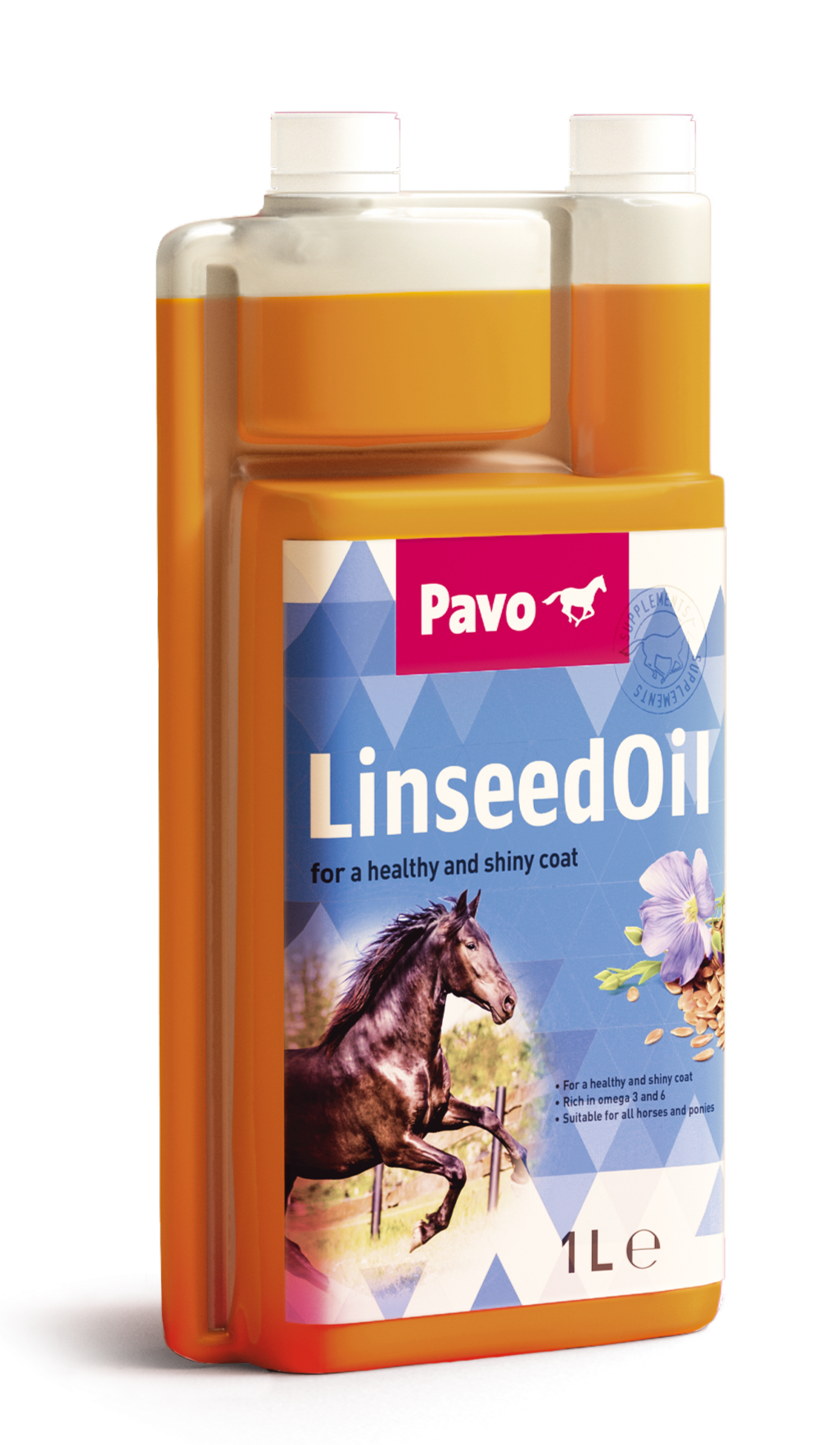
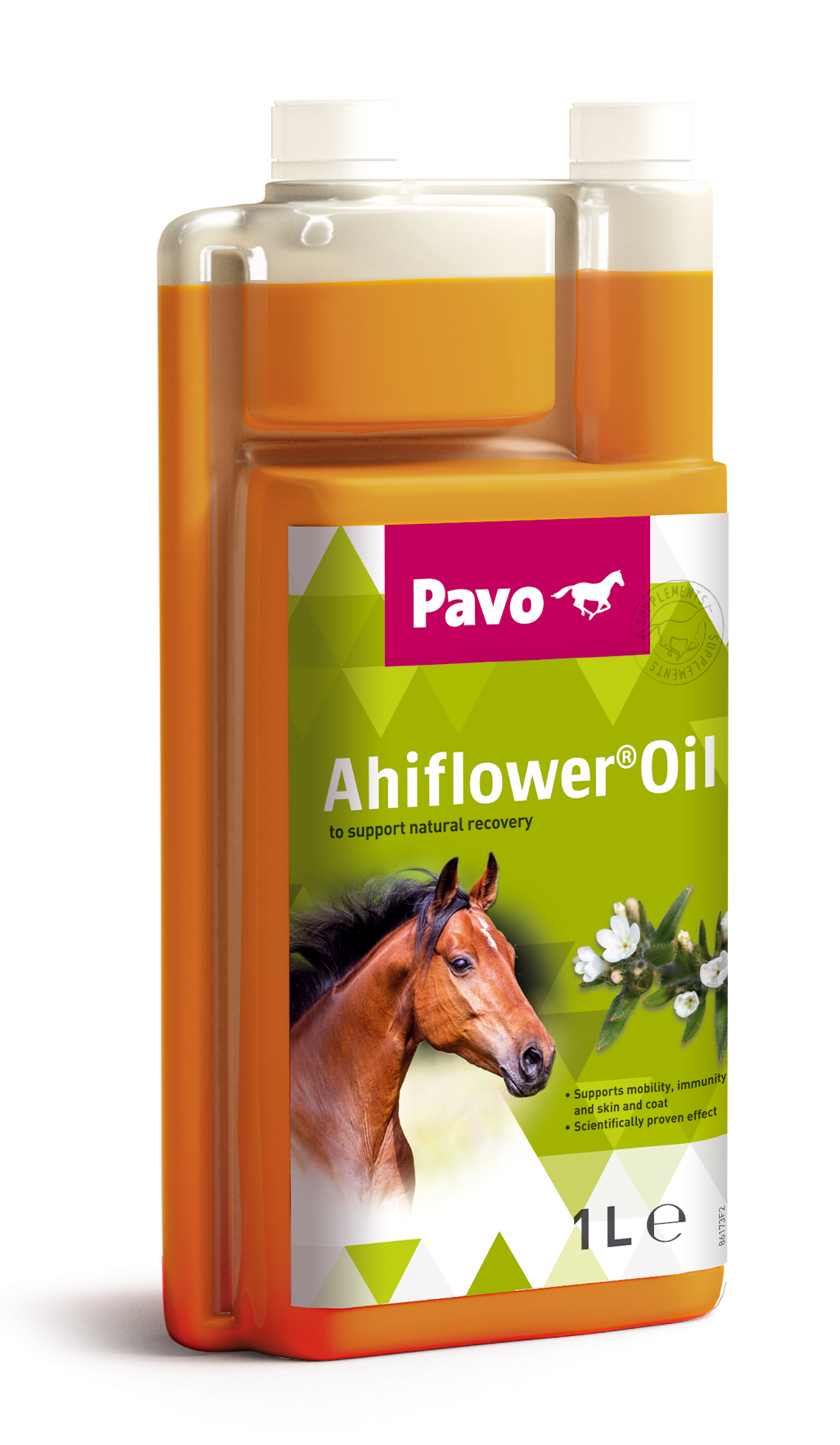
Does your horse have difficulty shedding and a curly coat? Then consider Cushing’s disease. You can read more about this on our page about common diseases in old horses.
Teeth
Recognize bad teeth in time
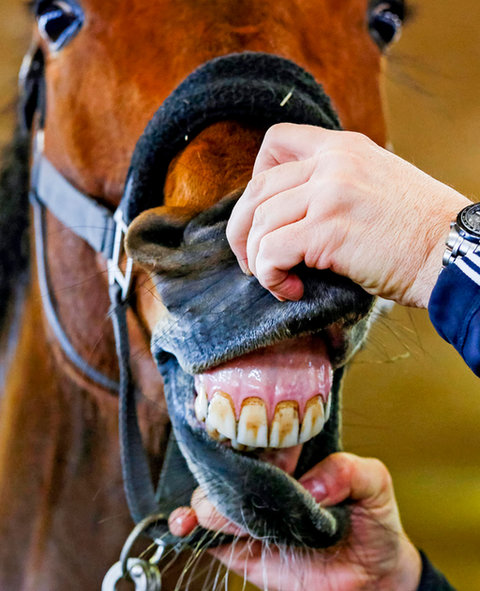
One of the main problems in old horses, is an impaired dental function. Loose or missing teeth are easy to recognize, but many other issues are less visible, and can still cause significant discomfort and poor feed utilisation.
From around the age of 15, horses become increasingly prone to dental problems. Their teeth and molars continue to erupt throughout life and are gradually worn down through chewing. However, this wear is not always even, which can cause sharp edges or “hooks” to form on the molars. When this happens, the molars no longer slide smoothly over each other, making it harder for the horse to chew effectively. Proper chewing is essential to grind fibres down to pieces smaller than one centimetre, an important step for efficient fibre digestion (fermentation) and overall gut health. If long fibres enter the hindgut, the microflora cannot ferment them properly. As a result, the horse may not extract enough energy from the feed, leading to weight loss and an increased risk of digestive disturbances.
Regular dental check-ups are therefore essential for maintaining your senior horse’s health. Uneven wear can not only cause hook’s, but also large gaps between the teeth (diastasis), in which food can easily get stuck. This can lead to gum inflammation, and in severe cases, the loss of teeth or molars.. When a tooth falls out, the opposite tooth may over-erupt into the empty space, since there is no longer an opposite surface to keep it worn down

“When you look into a horse’s mouth, you will mainly see the front teeth, not the molars. The severity of dental problems can vary greatly from horse to horse.. That is why it is important to have your older horse’s teeth checked at least twice a year by a specialist vet or a recognised dental professional”
Pleun Broeren, nutritionist
Symptoms of dental problems:
- Taking a long time to eat
- Creating and dropping partially chewed feed ‘clumps’
- Loss of body condition
- Quickly eating the concentrate (gobbling without chewing)
- Taking a long time to eat the roughage
- Oesophageal obstruction
- Drooling
- Nasal discharge
- Bad breath
- Jaw swelling
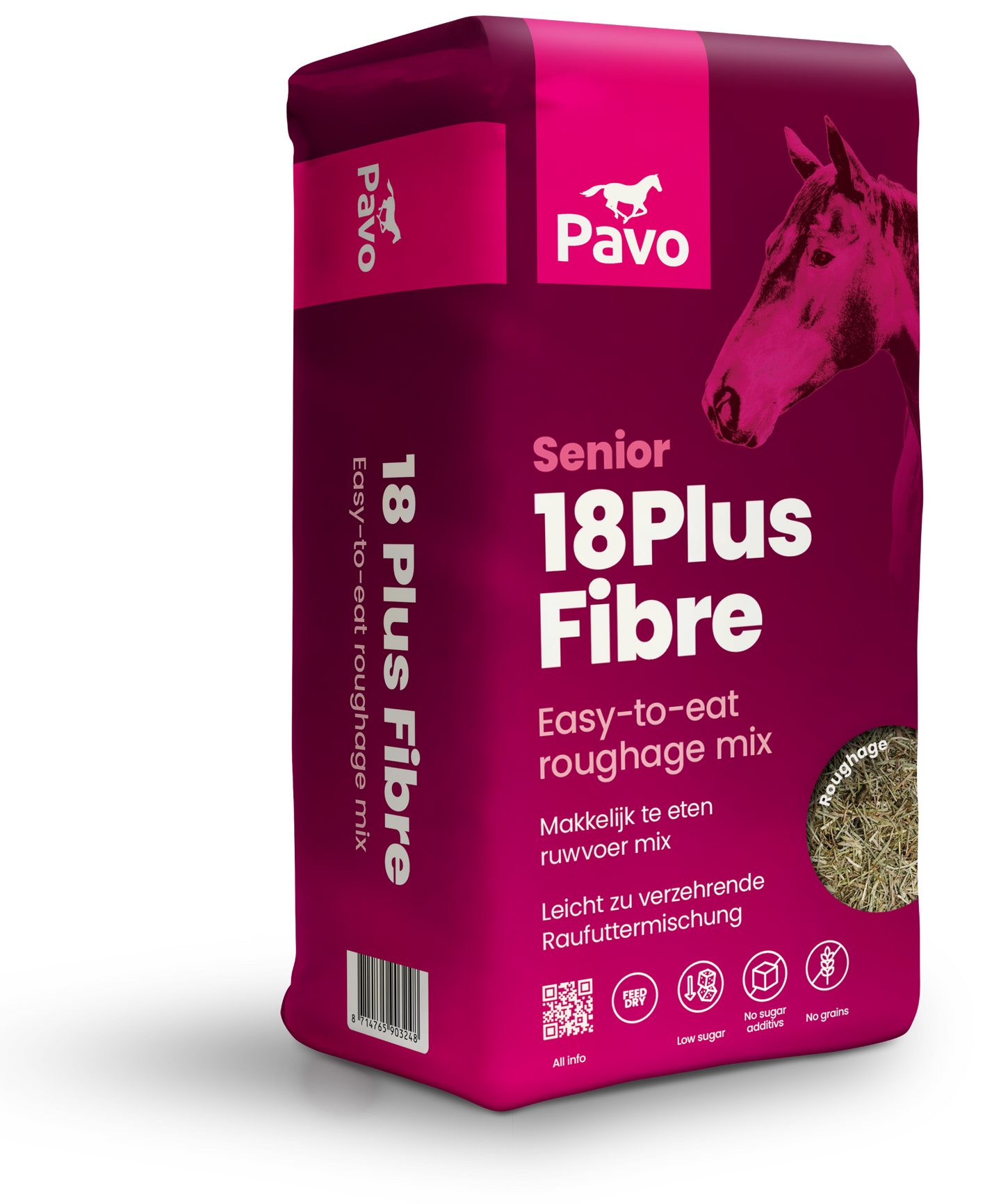
It’s important to adjust the feed to your horse’s dental condition. For horses with a reduced dental function we advice Pavo 18Plus Fibre. This is a easy-to-eat mix of (short) fibres and therefore can replace normal roughage like hay and silage.
You can read more about this on our page about roughage for old horses. We’ll go into more detail about the various different dental conditions and the type of roughage which suits them.
Joints
Movement is a must
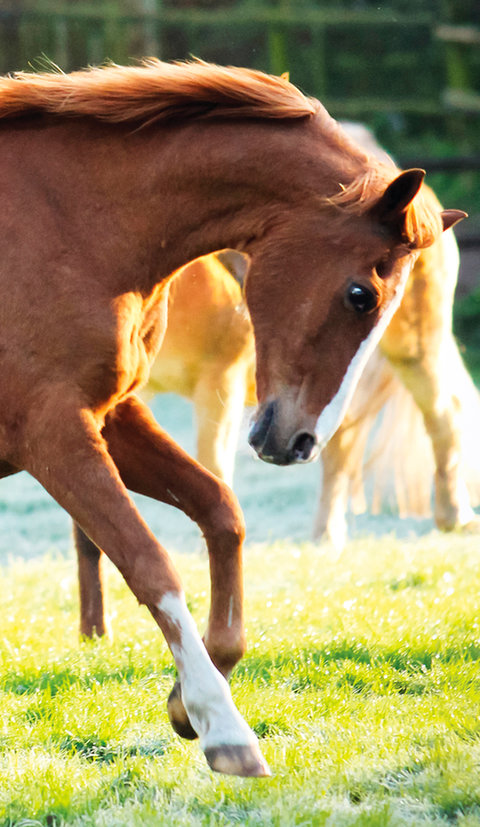
Gentle, regular movement is also an absolute must for older horses. Encouraging your horse to move around, whether by turnout or light work, helps to maintain joint flexibility, stimulates circulation and supports overall mobility.
As horses age, they often begin to experience wear and tear in the joints, also known as osteoarthritis. In fact, the gradual degeneration of joint cartilage start already early in life, but progresses at different rates from horse to horse. If your horse becomes more stiff, short-strided, or starts to limp, osteoarthritis may be the cause..
To confirm if your senior has osteoarthritis and in which degree, your veterinarian can take X-rays Early diagnosis is important, as management can help to keep the joint as calm as possible and subsequently slow further deterioration. The most commonly affected joints are the coffin joint, the coronet joint and the pastern joint. although other joints can be affected as well.
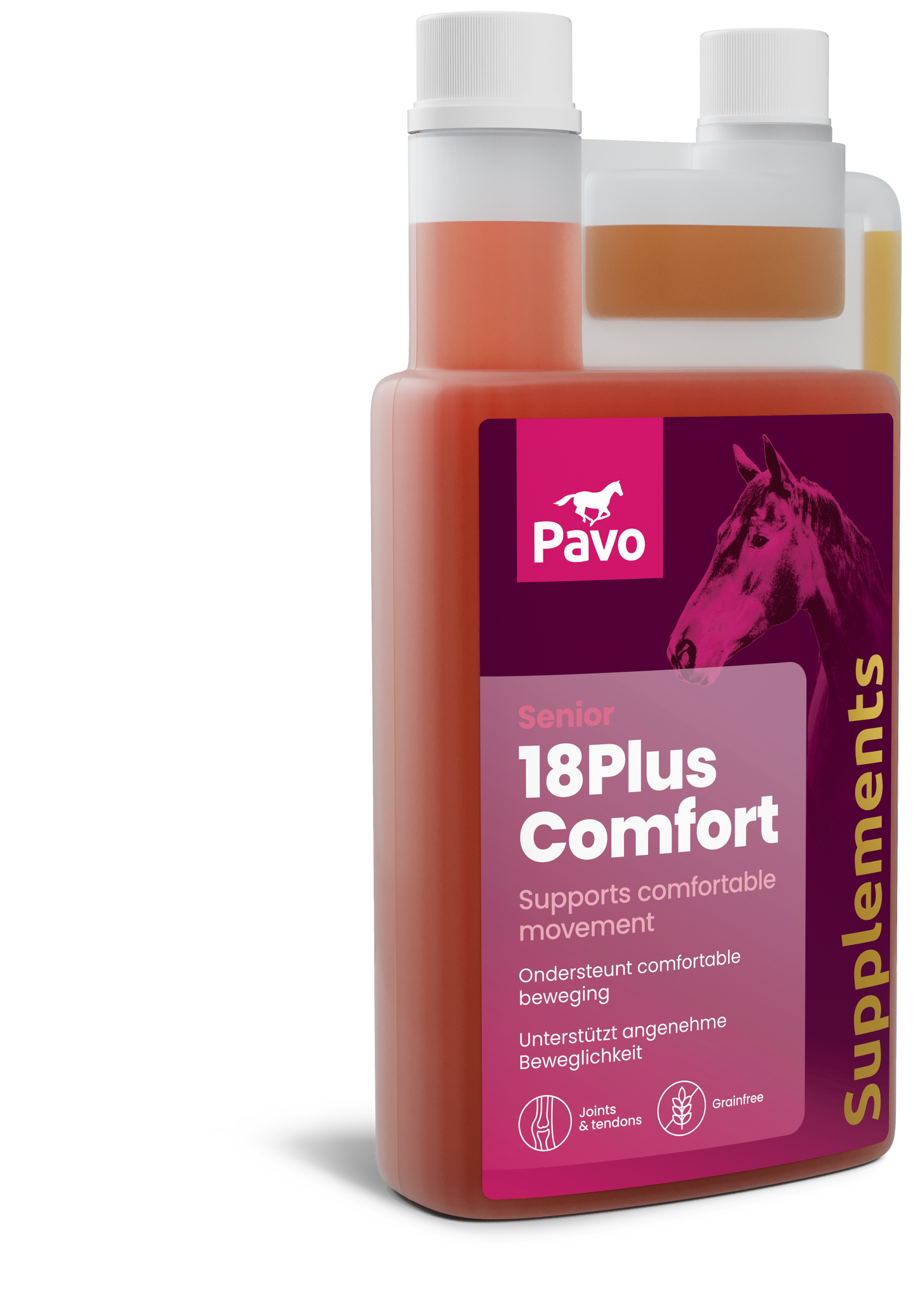
Osteoarthritis can’t be cured, but it can be managed. Treatment is aimed at reducing the inflammatory response in the joint. Besides the treatment, the only thing you can do is relieve the horse’s pain. The ultimate aim is for the horse to be able to enjoy being put out to pasture free from pain. A supplement like the Pavo 18Plus Comfort is a supplement that is designed to support comfortable movement in old horses.
”If you are in doubt whether osteoarthritis is causing your horse’s stiffness or irregular movement,then always have X-rays taken. In the early stages, it is still possible to slow down the process. Besides, the 18Plus Comfort can be fed to support comfortable movement”
Pleun Broeren, nutritionist
Therapy
The treatment of osteoarthritis depends on how advanced the condition is. If your horse is in significant pain, your vet may recommend oral anti-inflammatories or painkillers.. Joint injections can also be an option. In the early stages, corrective shoeing or the use of supplements can be very effective. It’s also extremely important to keep your horse at a healthy weight, as excess weight will put unnecessary strain on the joints.
What can you do with nutrition?
Cartilage, joint fluid, and ligaments are essential for joint health. All benefit from the right nutrients. These can be supplied by adding a joint supplement to your horse’s ration.
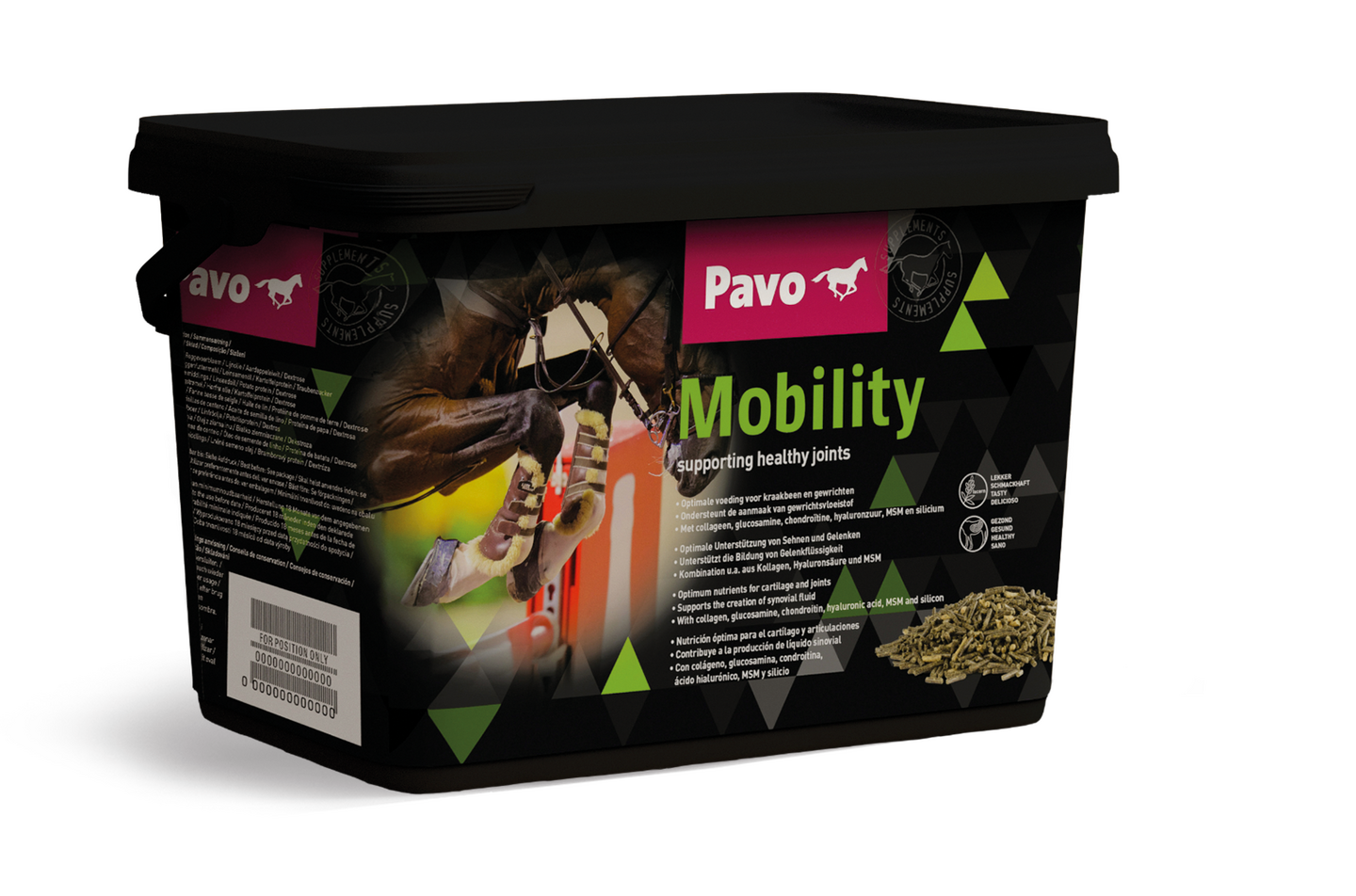
Pavo Mobility offers joint support by an extensive mix of powerful ingredients and can be of great benefit for senior horses. This supplement contains well-known and proven ingredients like glucosamine and hyaluronic aid, components for healthy joint fluid. Cartilage strength and elasticity is maintained with the help of chondroitin and MSM (sulphur). In addition, vitamine C and the micro-mineral sillicon play crucial roles in the formation of bone tissue, cartilage, collagen and hyaluronic acid. However, the most powerful ingredient of Pavo Mobility is collagen. This outstanding ingredient effectively supports connective tissue, bone and cartilage. All in all, Pavo Mobility offer extensive and powerful support to the joints.
Another way to support your senior's joints is to use Pavo 18Plus Comfort. This liquid provides joint support through ingredients such as glucosamine, MSM and silicon. However, offers a lighter form of joint support compared to Mobility. On the other hand, Pavo 18Plus Comfort is enriched with devil's claw and willow bark, aimed to increase ease and comfort during movement. It therefore has a beneficial effect on age-related symptoms in relation to mobility.
. Be aware that the use of Pavo 18Plus Comfort it not advised for horses that are still competing, since it contains ingredients that are listed as FEI-doping.

”The goal is that your horse with atrosis can eventually walk in the pasture pain-free”
Harrit van der Meer, Vet De Paardenkam
You can read more about keeping your horse in exercise on our page about training old horses.